Beyond Insulation: Using Thermal Mass for Melbourne Winters
11 May 2026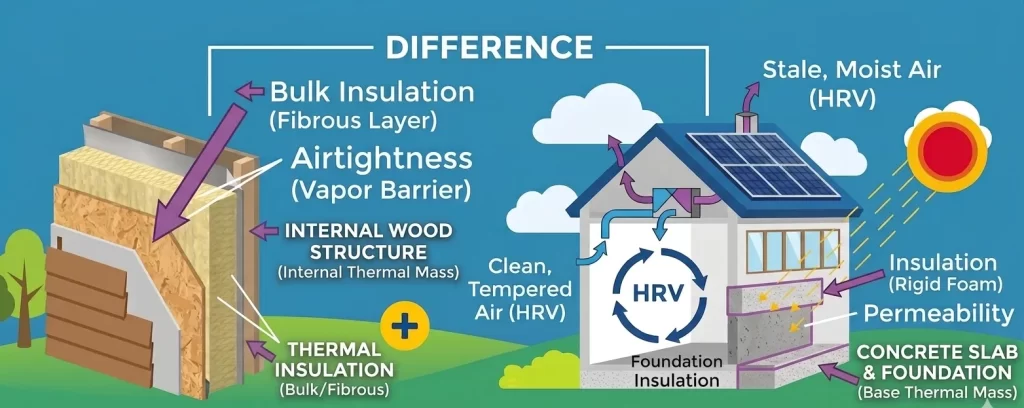
Michael Worth Projects explains how thermal mass works with insulation to improve winter comfort and energy efficiency in well-designed Melbourne homes.
Many Melbourne homeowners assume insulation alone will solve winter comfort problems, but while it slows heat loss, it does not store warmth inside the home. This is where thermal mass plays an important role, working alongside insulation to help stabilise indoor temperatures during Melbourne’s colder months. By using materials that absorb warmth during the day and release it gradually at night, homes can maintain a more consistent and energy-efficient indoor environment.
Why Thermal Mass is the Missing Link in Melbourne Home Design
Modern home design in Melbourne increasingly prioritises energy efficiency and indoor comfort, and while insulation slows heat loss, thermal mass helps absorb warmth during the day and release it gradually overnight. Materials such as concrete, brick, stone, and tiled flooring can store heat from winter sunlight entering north-facing windows, supporting passive solar design and helping maintain more stable indoor temperatures.
Key benefits include:
- Absorbing warmth from sunlight or indoor heating during the day
- Releasing stored heat gradually throughout the evening
- Reducing indoor temperature fluctuations during winter
- Supporting energy-efficient passive solar home design
The Benefits of Pairing Thermal Mass with Insulation
Insulation and thermal mass perform different but complementary roles in a well-designed Melbourne home. Insulation slows the movement of heat through walls, ceilings, and floors, while dense materials store warmth during the day and release it gradually as temperatures drop. Together, they help maintain a more stable indoor temperature.
For example, winter sunlight entering north-facing windows can warm dense surfaces inside the home. These materials absorb the heat during the day, while insulation helps prevent it from escaping too quickly. As evening temperatures fall, the stored warmth is slowly released back into the living space, helping reduce temperature fluctuations and improving overall comfort during Melbourne’s colder months.
Smart Ways to Incorporate Thermal Mass in Melbourne Homes
Heat-storing materials can be incorporated into residential design without major structural changes when planned early. These materials work best when placed inside the insulated envelope and positioned where winter sunlight can reach them. Combined with proper window orientation, glazing, and shading, they help capture daytime warmth and improve comfort and energy efficiency in Melbourne homes.
Common ways to include it in Melbourne homes include:
- Polished concrete floors in north-facing living areas to capture winter sunlight
- Internal brick or masonry walls positioned where sunlight can reach them
- Stone or tiled flooring exposed to daytime solar warmth
- Feature walls or fireplaces built from dense materials
Michael Worth Projects: Designing Melbourne Homes with Thermal Mass in Mind
At Michael Worth Projects, sustainable design principles are carefully applied to ensure homes respond effectively to Melbourne’s climate. Integrating thermal mass alongside insulation allows homes to capture natural warmth during the day and maintain comfort into the evening. For homeowners planning a new build or renovation, the team provides expert guidance to create spaces that support long-term comfort and energy efficiency.
Contact us today to see how innovative design solutions can bring new life to your Melbourne home.
Related Blog Articles:
Building Design in Melbourne: How to Beat the Heat with Smart Layouts
Energy-efficient Home Builders in Melbourne: Build Smart Homes with Michael Worth Projects
Optimized by: Netwizard SEO